
In short
If your building has two or more flats and shared common parts, someone is the "responsible person" under the Fire Safety Order and must have a suitable fire risk assessment, act on its findings and give residents fire safety information. In most RMC and RTM buildings, that responsibility sits with the company.
Who is responsible
The responsible person is whoever controls the common parts, usually the freeholder, RMC or RTM company. A managing agent can carry out the work, but the duty remains with the responsible person.
The checklist
- A fire risk assessment of the common parts by a competent assessor, reviewed regularly.
- An action plan with owners and dates for every finding.
- Fire safety instructions and information about fire doors given to all residents.
- Flat entrance doors and communal doors in good repair, with working self-closers where required.
- Escape routes kept clear of storage, bikes and furniture.
- Fire alarm and emergency lighting, where fitted, serviced and tested.
- Compartmentation between flats and common parts intact, especially after works.
- Records of all of the above, kept where they can be found.
Converted houses
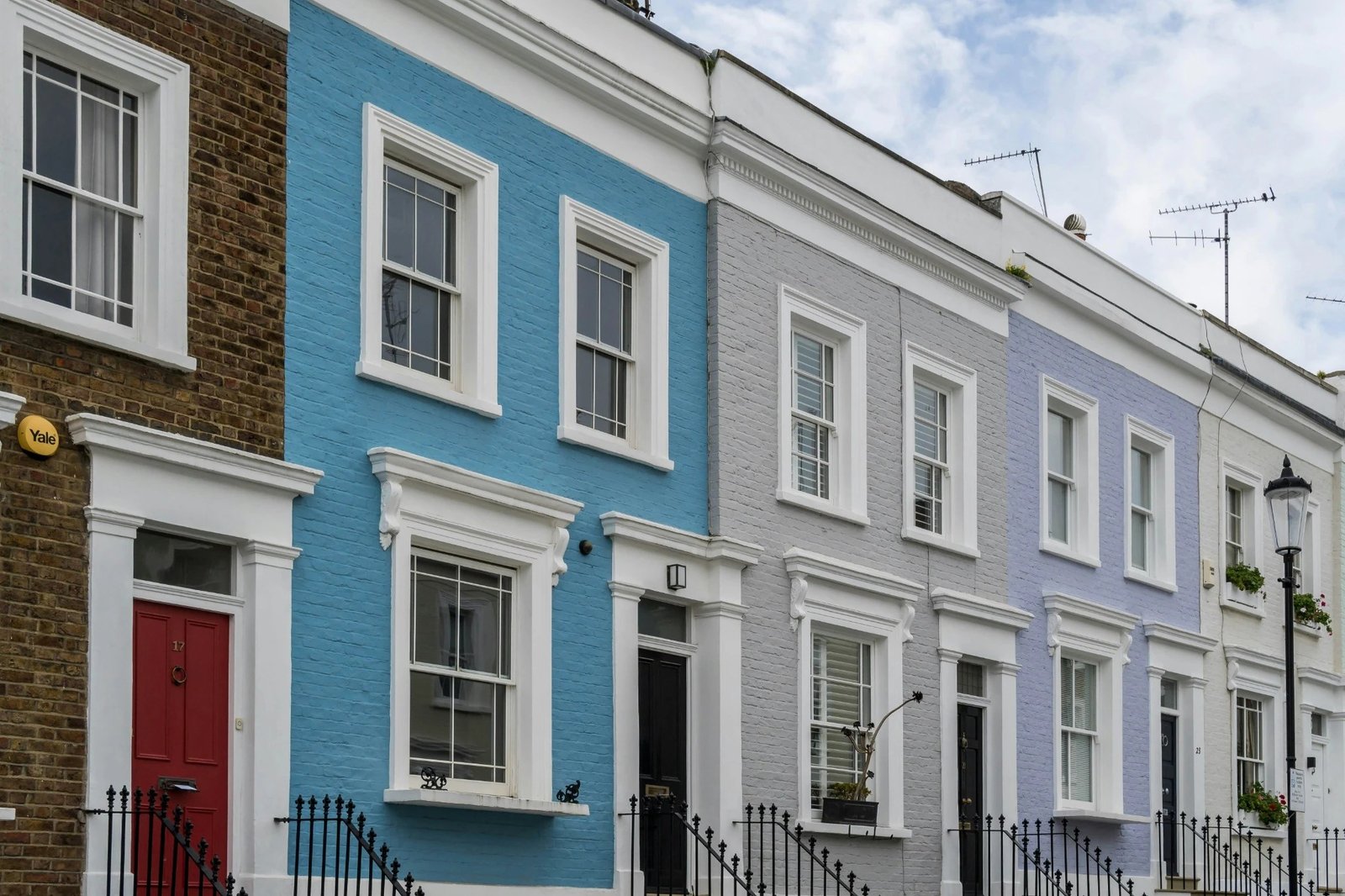
Victorian and Edwardian houses converted into flats are common across Wimbledon and Raynes Park. The conversion may have been done decades ago to older standards, with gaps in fire separation between floors, non-fire-rated doors and no detection in the common hallway. A fire risk assessment is the starting point; any upgrade works should be specified carefully and, where they exceed the thresholds, consulted on under Section 20.
If the building is over 11 metres
From 11 metres, communal fire doors must be checked quarterly and flat entrance doors annually on a best-endeavours basis. At 18 metres or 7 storeys, the building becomes a higher-risk building with further duties and registration with the Building Safety Regulator. See our building safety page for the full picture.

Last reviewed 2026-09-23 against the sources listed. This page is general information about England and is not legal advice; the lease for your building always comes first.